
Stability Chamber Validation India – How to Ensure Compliance & Reliability
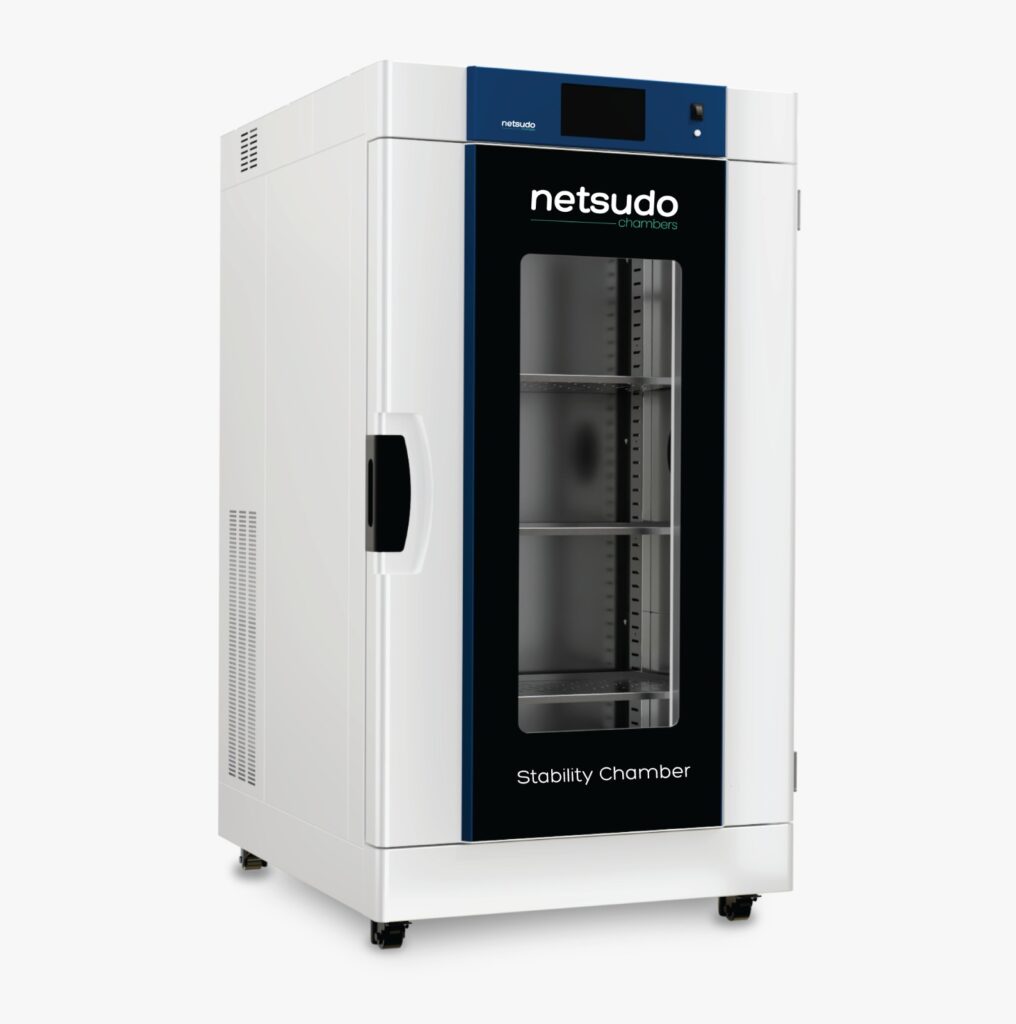
In India’s thriving pharmaceutical industry, controlled-environment stability chambers play a vital role. They simulate long-term and accelerated storage conditions so medicines maintain safety, potency and shelf life. But simply owning a chamber is not enough — it must be validated, qualified and maintained to ensure data integrity and regulatory compliance.
Why Stability Chamber Validation Matters in India
Validation is not just paperwork. When chambers are poorly validated:
-
Environmental conditions may drift, causing inconsistent or unreliable stability data.
-
Regulatory submissions (in India, and for export markets) can be rejected due to deficient stability data.
-
Product shelf-life claims may become invalid, increasing risk of recalls or losses.
For Indian labs aiming for export or global compliance, accurate validation helps meet ICH, GMP and WHO expectations.
Regulatory & Industry Standards in India
- The ICH Q1A(R2) guideline requires stability studies under defined storage conditions and insists that equipment be qualified before use.
- Indian equipment must also align with GMP requirements (for example, FDA 21 CFR Part 211 in the US and equivalent Indian standards) and should have traceable calibration and documentation.
- Many Indian manufacturers of stability chambers indicate compliance with WHO, CE, US-FDA and GMP norms.
Key Phases of Stability Chamber Validation
Design Qualification (DQ)
Before installation, you confirm that the chamber meets user requirements: size, temperature range, RH capability, door access, data communication and alarms.
Installation Qualification (IQ)
Verifies that the chamber is installed correctly: utilities, power, sensors, control systems, documented serial number, manufacturer specs.
Operational Qualification (OQ)
Ensures the chamber functions as intended under empty conditions: set-points, alarms, recovery after door opening, and control system verification.
Performance Qualification (PQ)
Most critical: the chamber is loaded (or loaded simulation) and runs at the defined temperature/humidity conditions (for example, 30 °C/65% RH or 40 °C/75% RH); data loggers measure uniformity, stability, recovery. Typical mapping involves 9-15 locations over 24-72 hours.
Specific Considerations for India
Climate zones
India typically falls into ICH Zone IVb (30 °C/75 % RH) and some areas Zone III (30 °C/65 % RH) — meaning chambers must be validated for these tougher conditions.
Infrastructure
Fluctuations in power, ambient conditions and load variations in Indian labs can test the resilience of chambers — validation must include these variables.
Export readiness
If your drug or formulation will be exported, the validation should anticipate multiple climate zones and regulatory jurisdictions — Indian labs must therefore validate and document robustly.
Local manufacturing & support
Choose chambers from manufacturers familiar with Indian conditions and that supply DQ/IQ/OQ/PQ documentation, calibration, and service locally.
Validation Checklist & Best Practices
Recovery test: after door opening, chamber should recover set conditions within predefined time.
Alarm functionality: simulate excursions (high/low temp or RH) and verify alarms.
Sensor calibration: use certified, traceable standards (for example from NABL in India).
Documentation: IQ/OQ/PQ protocols & reports, calibration certificates, mapping data, CAPA for deviations.
Conclusion
In the modern Indian pharmaceutical landscape, stability chamber validation is not just a compliance requirement — it’s a strategic quality investment. Every validated chamber contributes to building a trusted brand, reliable product data, and global market access.
A properly validated chamber ensures that each drug or formulation maintains its intended potency, efficacy, and safety throughout its shelf life. Without consistent validation, even minor environmental deviations can lead to batch failures, regulatory penalties, or product recalls.
For Indian labs and manufacturing units aiming for WHO, ICH, US-FDA, or EU GMP certifications, meticulous validation of temperature and humidity control systems is non-negotiable. It forms the foundation of data integrity, audit success, and patient safety.
Therefore, investing in:
Regular validation and calibration cycles,
Comprehensive environmental mapping,
Reliable data monitoring infrastructure, and
Partnering with credible chamber manufacturers and service providers,
…ensures long-term reliability, operational efficiency, and international competitiveness.
In short, validation today is protection for tomorrow — safeguarding not just your products, but your brand reputation, compliance standing, and patient trust.